1

March sits in that satisfying in-between moment when winter’s reliable roots are still going strong and the first genuine signs of spring begin to push through. It’s a month that rewards those who know what to look for — and for anyone buying fresh, locally sourced produce in Bristol, Gloucestershire, Wiltshire or the wider Cotswolds, it’s actually one of the more interesting times of year to be cooking.
The vegetables covered in this guide are the ones genuinely worth seeking out right now: produce that’s either at its seasonal peak, coming into its own after a long winter, or just beginning to appear as the ground warms. Many of these come from growers across Wiltshire, Gloucestershire and the South West — and the difference between field-fresh seasonal produce and something that’s travelled across Europe to reach a supermarket shelf is considerable, both in flavour and in nutritional value.
Whether you’re planning your weekly meals or just looking to make more of what’s in season, this guide will walk you through what to buy, how to use it, and why March produce deserves a little more attention than it typically gets.
Why Eating Seasonally in March Matters
There’s a tendency to think of March as a gap month — caught between the hearty brassicas of deep winter and the asparagus and peas that arrive in late spring. But that’s selling it short. Seasonal eating in March means working with produce at its natural best: vegetables that have developed slowly through cold months, building flavour and sweetness in a way that forced, out-of-season crops simply can’t replicate.
For locally sourced produce from the South West, March is also significant because shorter supply chains mean fresher food. When a leek or a purple sprouting broccoli has been harvested within a day or two of reaching your kitchen, rather than sitting in a chilled lorry for a week, you taste the difference immediately. Buying in season also supports the growers and smallholdings across Wiltshire and Gloucestershire who time their crops to the natural calendar — and keeps more money within the local food economy.
The Best Vegetables to Eat in March
Purple Sprouting Broccoli
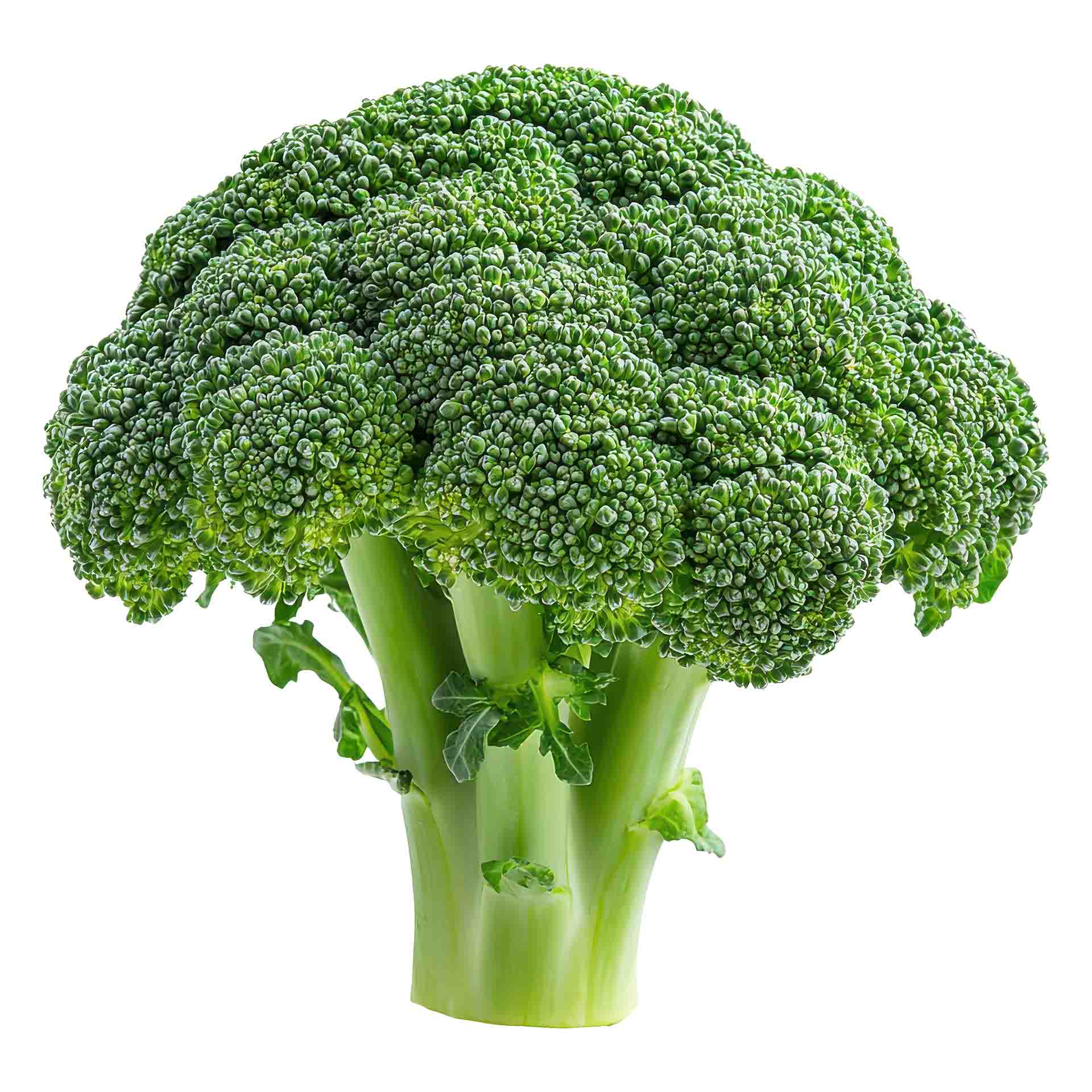
If there’s one vegetable that defines March in the South West, it’s purple sprouting broccoli. It’s been overwintering in fields since autumn, and by March it reaches its peak — tender, slightly sweet, and with a more complex flavour than its year-round green counterpart. Growers across Wiltshire and Gloucestershire produce excellent crops of it, and it’s worth eating as simply as possible: steamed or roasted with olive oil, or tossed through pasta with garlic and anchovies. It doesn’t keep long once harvested, so freshness really matters here.
Leeks
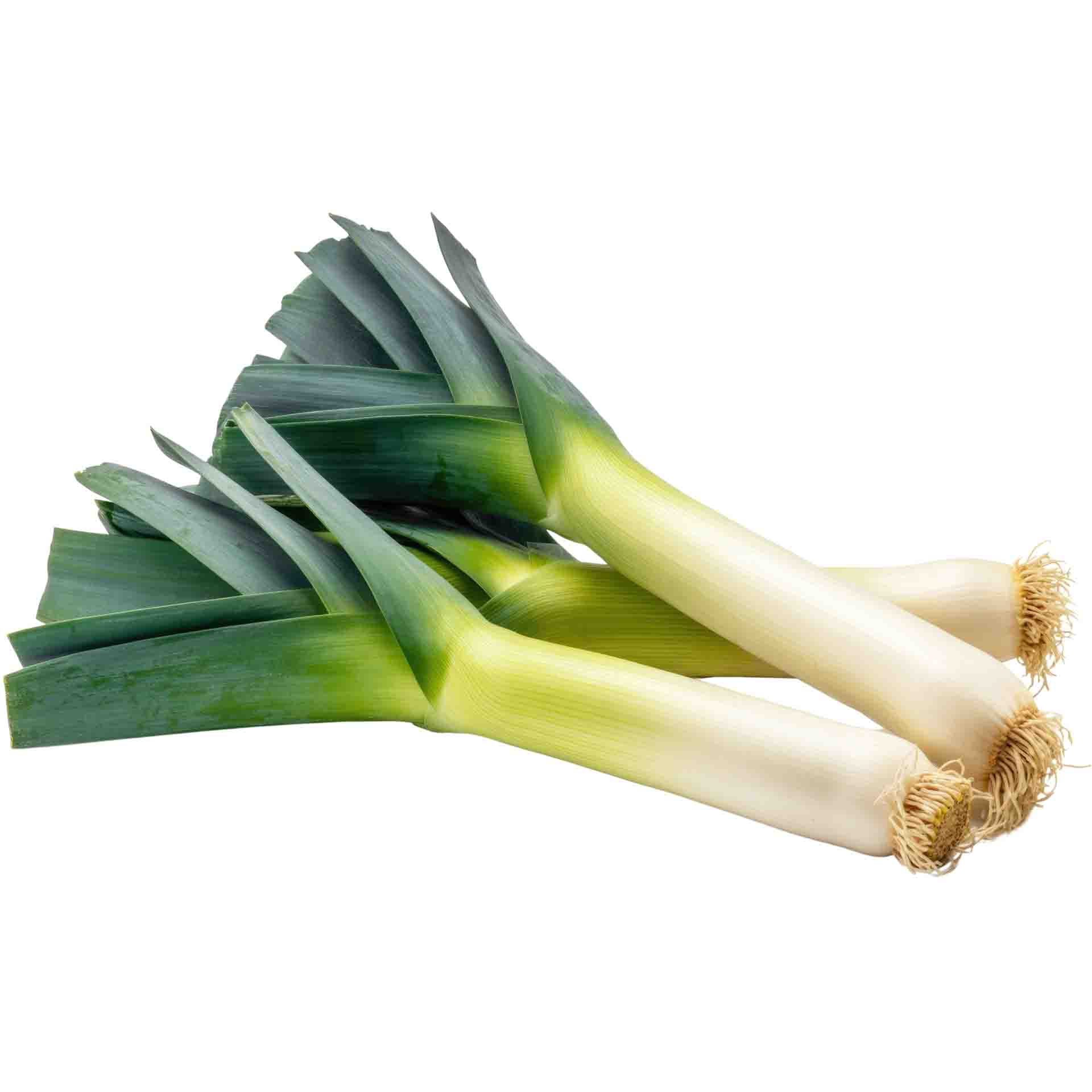
March is the tail end of leek season, and the later-season varieties have a depth of flavour that earlier autumn leeks don’t quite match. They’ve had time to develop through the colder months, and the result is something sweeter and more savoury. Use them in soups, gratins, or simply braised slowly in butter. They’re one of the most versatile vegetables in the March larder and pair beautifully with the seasonal dairy produce — cream, butter, cheese — that the South West is equally known for.
Spring Greens
Loose, leafy spring greens begin to arrive in earnest through March. Less tightly headed than January King or Savoy cabbage, they’re lighter and quicker to cook — ideal for stir-frying, wilting into broth, or serving alongside roasted meats. Their mild bitterness is a welcome change of pace after months of denser brassicas, and they respond well to bold flavourings: chilli, ginger, garlic, lemon.
Kale
Kale is still going strong through March and benefits from having been through a frost or two, which converts some of its starches to sugar and mellows any bitterness. Curly kale, cavolo nero, and red Russian kale are all worth buying now. Massage raw kale with a little oil and lemon juice for salads, or add it to soups, stews and colcannon. It’s one of the most nutritionally dense vegetables on the seasonal calendar.
Carrots
Stored carrots from the autumn harvest remain in good supply through March, and a properly stored British carrot is still considerably better than an imported one. Look for firm, unwaxed carrots with good colour — they should smell earthy and fresh. Roast them with honey and thyme, use them as the base of a braise, or grate them into salads and slaws. They’re one of those vegetables that reward simple cooking.
Potatoes
Main-crop potatoes stored over winter are still excellent in March. Varieties like Maris Piper, King Edward and Desiree hold up well and are ideal for roasting, mashing and baking. It’s also worth knowing that the very first new season earlies — Jersey Royals and similar varieties — begin to appear towards the end of March, though the main flush comes in April and May. If you spot them, they’re worth snapping up.
Spinach
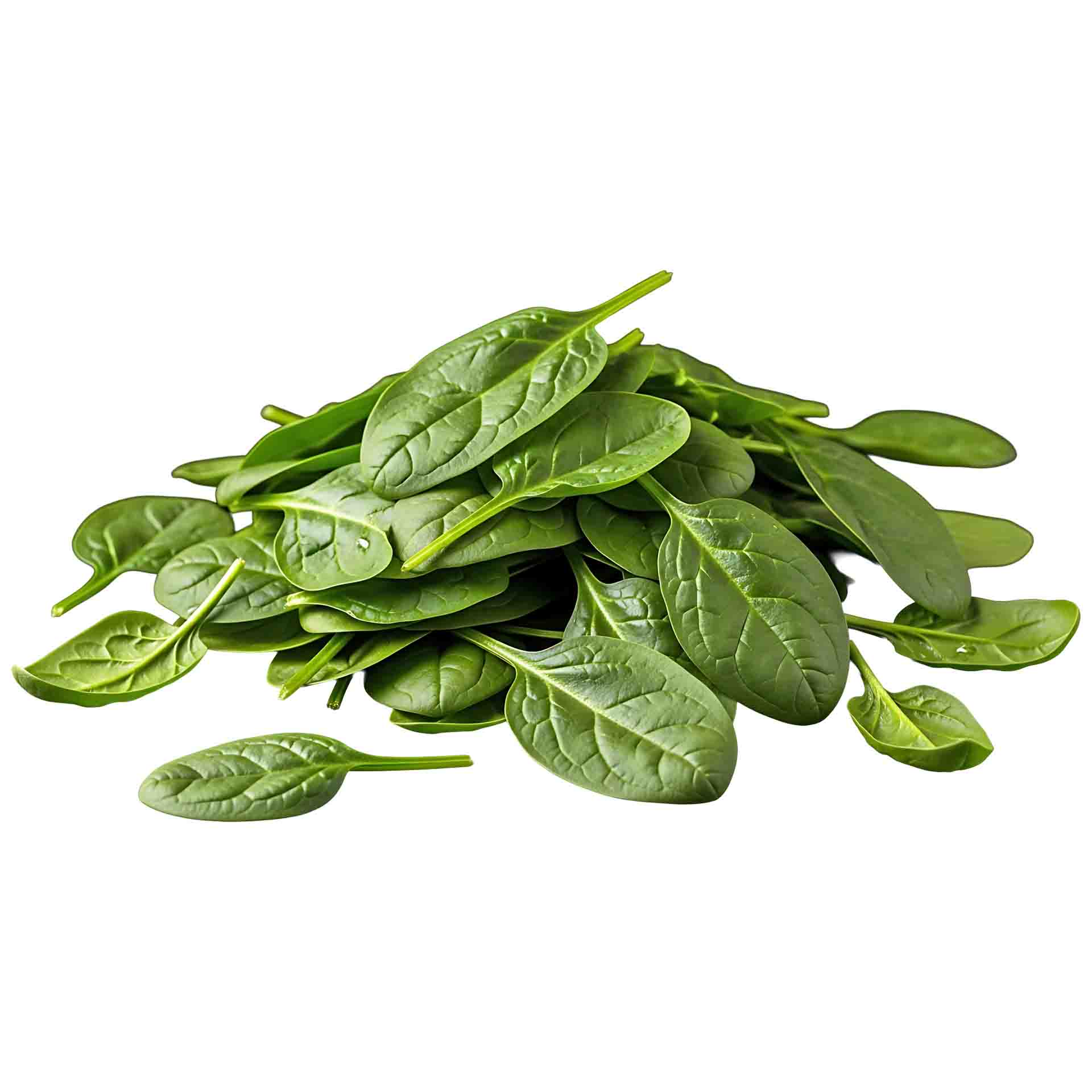
Early spinach begins to appear in March, particularly the baby leaf varieties which do well as the days start to lengthen. It wilts quickly and works well stirred into pasta, curries or lentil dishes, or used as a simple side with a little butter and nutmeg. Fresh spinach has a brightness that bagged salad spinach rarely matches.
Celeriac
Often overlooked, celeriac is one of the underrated stars of late winter and early spring. Its subtle celery flavour works beautifully raw (grated into a remoulade with mustard and crème fraîche) or cooked into a velvety soup. It pairs well with apples, walnuts and blue cheese — all ingredients that lend themselves to late-winter cooking. Stocks remain good through March before the season closes.
Beetroot
Stored beetroot is available throughout March and is excellent roasted, pickled or used raw in salads. It has a natural earthiness that pairs well with goat’s cheese, orange and walnuts. Roasting brings out its sweetness considerably — halve them, toss in oil and roast at 200°C for 40–50 minutes until tender. The leaves, if you can find them fresh, are also edible and work well as a green.
Common Mistakes to Avoid
- Buying produce out of season “because it’s there”. Imported courgettes and tomatoes in March are watery and flavourless compared with their summer counterparts. Stick to what’s genuinely seasonal and the cooking takes care of itself.
- Storing greens incorrectly. Purple sprouting broccoli, spring greens and spinach deteriorate quickly at room temperature. Refrigerate them promptly and use within two to three days of delivery for the best flavour.
- Overcooking brassicas. Purple sprouting broccoli and spring greens need only a few minutes — overcooked, they turn grey and sulphurous. Blanch or steam briefly and finish in a hot pan.
- Dismissing stored vegetables as inferior. Well-stored carrots, potatoes and celeriac from British farms are still excellent in March. Don’t assume that “stored” means second-rate.
- Peeling unnecessarily. Many March vegetables — carrots, beetroot, celeriac — can be scrubbed rather than peeled, preserving nutrients and reducing waste.
Sourcing Fresh March Produce from Cotswold Foods
All of the vegetables in this guide are either available now or coming into season shortly — and where possible, Cotswold Foods sources them from growers across Wiltshire, Gloucestershire and the wider South West. That means shorter distances from field to doorstep, which translates directly into better flavour and longer fridge life once the produce arrives with you.
Cotswold Foods delivers fresh produce twice a week — on Tuesdays and Fridays — across Bristol, Gloucestershire, South Gloucestershire and North Wiltshire. Ordering for a Tuesday delivery means your purple sprouting broccoli or spring greens were likely harvested just days earlier. It’s a meaningful difference compared with supermarket produce that may have spent a week in transit.
If you’re in the Bristol area, Gloucestershire or across Wiltshire and looking to eat more seasonally, the twice-weekly delivery schedule makes it easy to plan your week around what’s genuinely at its best right now.
Ready to Put This Into Practice?
March’s seasonal vegetables are some of the most rewarding to cook with — they just need a little knowing. Head to the Cotswold Foods shop to see what’s available this week, and build your meals around what’s freshest. With Tuesday and Friday deliveries, you’re never more than a few days from a box of genuinely seasonal, locally sourced produce arriving at your door.