There’s something quietly satisfying about a fridge full of fresh, locally sourced fruit and vegetables — knowing that what you’re eating came from farms in Wiltshire, Gloucestershire or just across the Cotswolds rather than a warehouse hundreds of miles away. But even the best intentions can leave you with half a cauliflower, a handful of wilting spinach or a couple of softening tomatoes by the end of the week. The good news is that this is one of the easiest problems to solve, and it starts with knowing what to do before things go to waste.
Reducing food waste isn’t just about saving money — though it certainly helps with that too. It’s about getting the most from genuinely good produce. When your fruit and vegetables have been grown seasonally and sourced locally, they deserve to be used well. This guide is aimed at anyone who wants to make better use of what they buy, whether you’re cooking for one, feeding a family, or simply trying to stretch your weekly shop a little further.
We’ll walk through practical strategies for using up common leftover produce, from root vegetables and leafy greens to soft fruit and fresh herbs. By the end, you’ll have a set of reliable habits that make waste the exception rather than the rule — and meals that are all the better for it.
Why This Matters for Fresh Local Produce
Supermarket vegetables are often picked early and refrigerated for days before they reach you, which means by the time they’re in your kitchen, their clock is already ticking. Locally sourced produce is different. When fruit and vegetables are harvested closer to their natural peak and delivered to your door within days — as is the case with Cotswold Foods — they arrive in genuinely better condition, with more flavour and more nutritional value.
That quality is worth protecting. Treating fresh South West produce as something to be used thoughtfully, rather than something that’ll keep indefinitely, is really the foundation of reducing waste. It’s not about being precious — it’s about having a plan.
Build a “Use It Up” Habit at the Start of Each Week
Before your next delivery arrives, take five minutes to check what’s left in the fridge and fruit bowl. Anything that needs using up in the next day or two should go to the front. This single habit — a quick audit before a new shop — will reduce waste more than almost anything else.
Plan at least one meal each week that’s deliberately flexible: a stir-fry, a frittata, a soup or a grain bowl. These are dishes that can accommodate almost anything, and they’re the perfect home for odds and ends.
What to Do With Common Leftovers
Root Vegetables (Carrots, Parsnips, Potatoes, Beetroot)
Root vegetables are amongst the most forgiving produce to work with. Slightly soft carrots or parsnips are ideal for roasting — they caramelise beautifully at high heat. Chop them roughly, toss in oil and seasoning, and roast at 200°C for 30–35 minutes. They can also go straight into a blended soup with onion, garlic and stock, or be grated raw into fritters or rosti.
Potatoes that have started to soften are perfect for mash, bubble and squeak, or a simple hash. Avoid using any that have turned green or heavily sprouted — but a few small eyes are fine; just remove them before cooking.
Leafy Greens (Spinach, Kale, Chard, Salad Leaves)
Leafy greens wilt quickly once picked, but wilted doesn’t mean wasted. Spinach and chard that’s past its salad days can be stirred into pasta, added to a curry, or blended into a soup. A quick wilt in a hot pan with garlic and olive oil takes less than two minutes and transforms it into a simple side dish.
For salad leaves that have lost their crispness, try dressing them ahead of time and letting them sit — they soften into something closer to a braised green, which works well alongside grilled meat or fish. Alternatively, blend them into a green smoothie or a chilled soup.
Brassicas (Cabbage, Broccoli, Cauliflower, Brussels Sprouts)
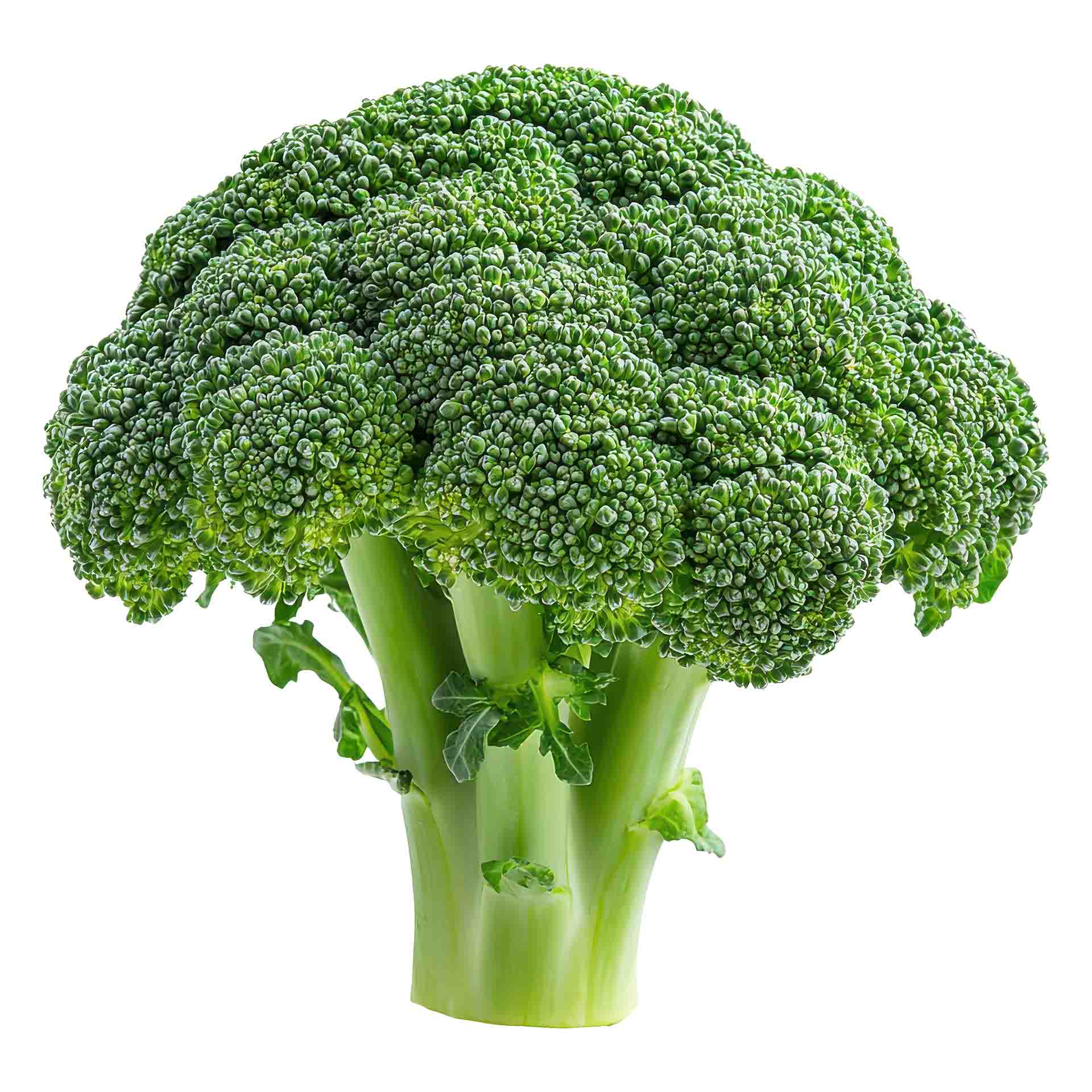
Half a head of cabbage keeps well in the fridge for several days if wrapped tightly. Slice it finely for a slaw, shred it into a stir-fry, or ferment it into a simple sauerkraut if you’re feeling adventurous. Broccoli and cauliflower stems are often discarded but are completely edible — peel the tougher outer layer and slice the stem for stir-frying or soup.
Roasting brassicas with a little olive oil and a pinch of chilli brings out a nuttiness that transforms even slightly tired florets into something genuinely good.
Soft Fruit (Berries, Plums, Apples, Pears)
Fruit that’s become too soft to eat fresh is often at its sweetest and most flavourful — making it ideal for cooking. Stew it gently with a splash of water and a little sugar (or none at all, depending on the fruit) and you have a compote that keeps in the fridge for up to a week. Serve it with porridge, yoghurt or pancakes.
Apples and pears can be baked whole, made into a simple crumble, or puréed for a sauce to serve with pork or game. Berries that are slightly past their best can be blitzed into a coulis or added to a smoothie straight from frozen — freeze them on a tray first so they don’t clump.
Fresh Herbs
Fresh herbs are often bought for one recipe and then left to deteriorate. If you have a bunch of parsley, coriander or basil that’s starting to turn, blend it with olive oil, garlic, lemon juice and seasoning to make a simple herb oil or chimichurri-style sauce. It will keep in the fridge for a week or freeze well in ice cube trays.
Woody herbs like thyme, rosemary and sage dry well — simply tie them in a small bunch and hang in a warm kitchen for a few days, then store in a jar.
Onions, Garlic and Leeks
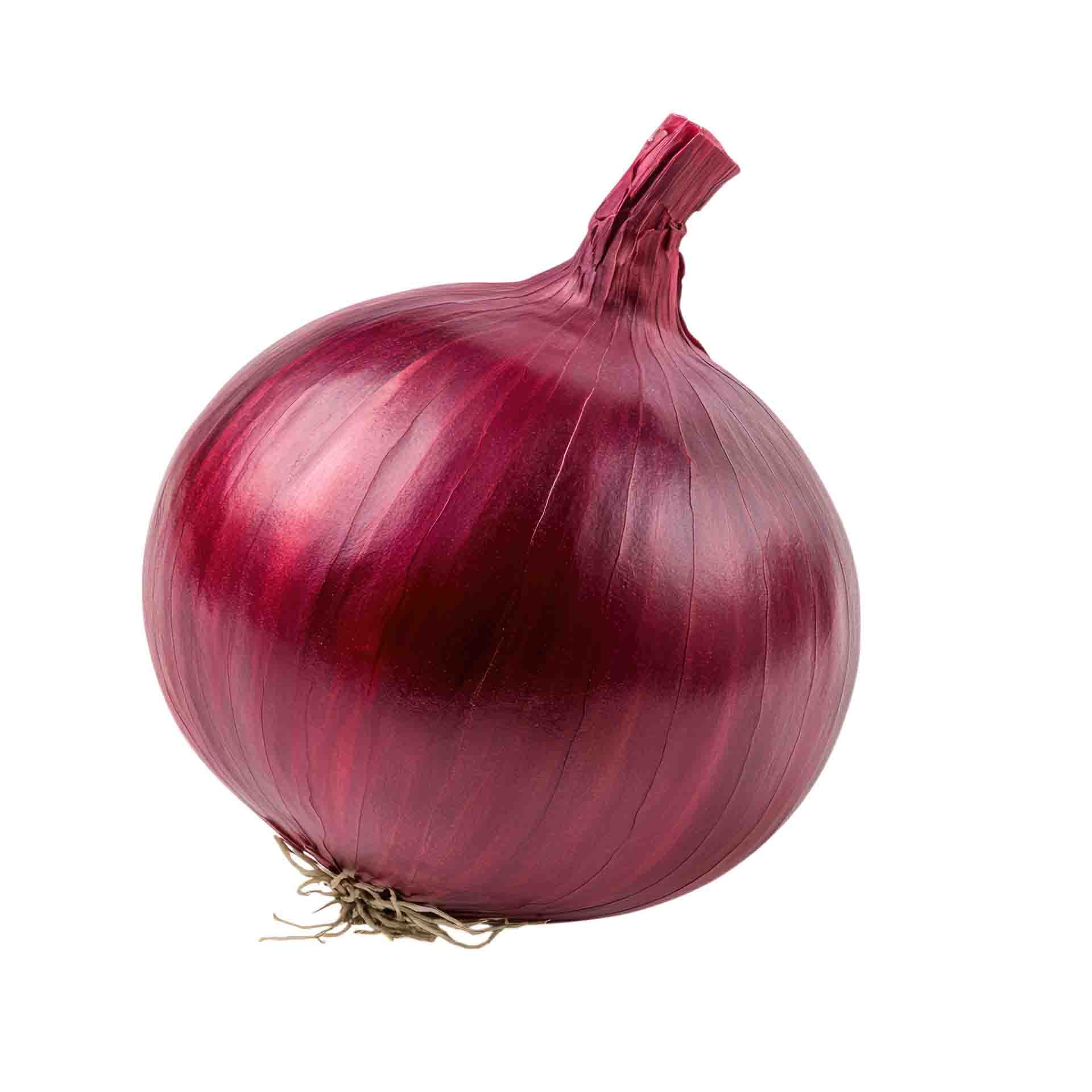
These are the workhorses of the kitchen and rarely go to waste entirely, but it’s worth knowing what to do when they start to soften. Slow-cook onions in butter until deeply caramelised — they keep in the fridge for a week and make an instant flavour base for everything from toast to pasta. Garlic cloves that are beginning to dry out can be roasted whole in their skins until soft and sweet, then squeezed out onto bread or stirred into sauces.
Batch Cooking and Freezing
One of the most effective ways to prevent waste is to cook in batches when you have a glut of something. A big pot of vegetable soup, a tray of roasted vegetables, or a simple tomato sauce can be frozen in portions and used over the following weeks. Almost all cooked vegetables freeze well, as do most fruits once they’ve been cooked or puréed.
Label everything with the date and contents — a freezer full of unlabelled containers is its own kind of waste. A good rule of thumb is to use frozen vegetables and fruit within three months for the best flavour.
Common Mistakes to Avoid
- Storing everything in the fridge. Some produce — tomatoes, bananas, potatoes, onions and garlic — is better kept at room temperature. The fridge can affect their flavour and texture.
- Washing produce before storing it. Moisture accelerates decay. Wash fruit and vegetables just before you use them, not when you put them away.
- Discarding vegetable peelings and trimmings. Carrot peelings, celery tops, leek leaves and herb stalks can all go into a bag in the freezer to make stock. Keep adding to it throughout the week.
- Forgetting what’s in the fridge. Out of sight really does mean out of mind. Use clear containers, keep older items at the front, and do a quick check before planning each day’s meals.
- Assuming soft or blemished means inedible. Most softening or slightly blemished fruit and vegetables are perfectly good to eat — they just need cooking rather than eating raw.
- Buying too much of one thing. Even the freshest, most locally sourced produce won’t last forever. Order what you’ll realistically use in a week, and build flexibility into your meal planning.
Sourcing Fresh Fruit and Vegetables from Cotswold Foods
One of the real advantages of ordering from a local supplier is that you know roughly when your produce was harvested and how far it’s travelled. Cotswold Foods sources fruit and vegetables from farms in Wiltshire, Gloucestershire and the broader South West, which means what arrives at your door is genuinely fresh — not produce that’s been sitting in cold storage for a week before it reaches you.
That freshness makes a real difference to how long things last and how well they cook. Produce that’s arrived in good condition gives you more room to work with — more time to plan, more options for using it up, and better results when you do.
Deliveries run on Tuesdays and Fridays to addresses across Bristol, Gloucestershire, South Gloucestershire and North Wiltshire. Ordering twice a week is a great way to keep quantities manageable, buy only what you need, and avoid the end-of-week scramble to use up a surplus.
Ready to Put This Into Practice?
Reducing food waste is one of those things that gets easier the more you do it — and it starts with having good produce worth taking care of. Head to the Cotswold Foods shop to browse what’s in season this week, place your order for Tuesday or Friday delivery, and start cooking with a little more intention. You might be surprised how far a well-stocked fridge can go.